
Backsplash or Countertop First: The Right Installation Order
When remodeling a kitchen, one common question homeowners often ask is whether to install the backsplash or countertop first. Understanding the order of installation makes a big difference in the final result. Below, we answer related questions like “do you install backsplash before countertop?” and walk you through the best approach for your kitchen remodel.
Backsplash Before or After Countertop?
The general rule in kitchen remodeling is to install the countertop before the backsplash. Doing this ensures a solid base, making it easier to take accurate measurements and achieve proper alignment for the backsplash installation.
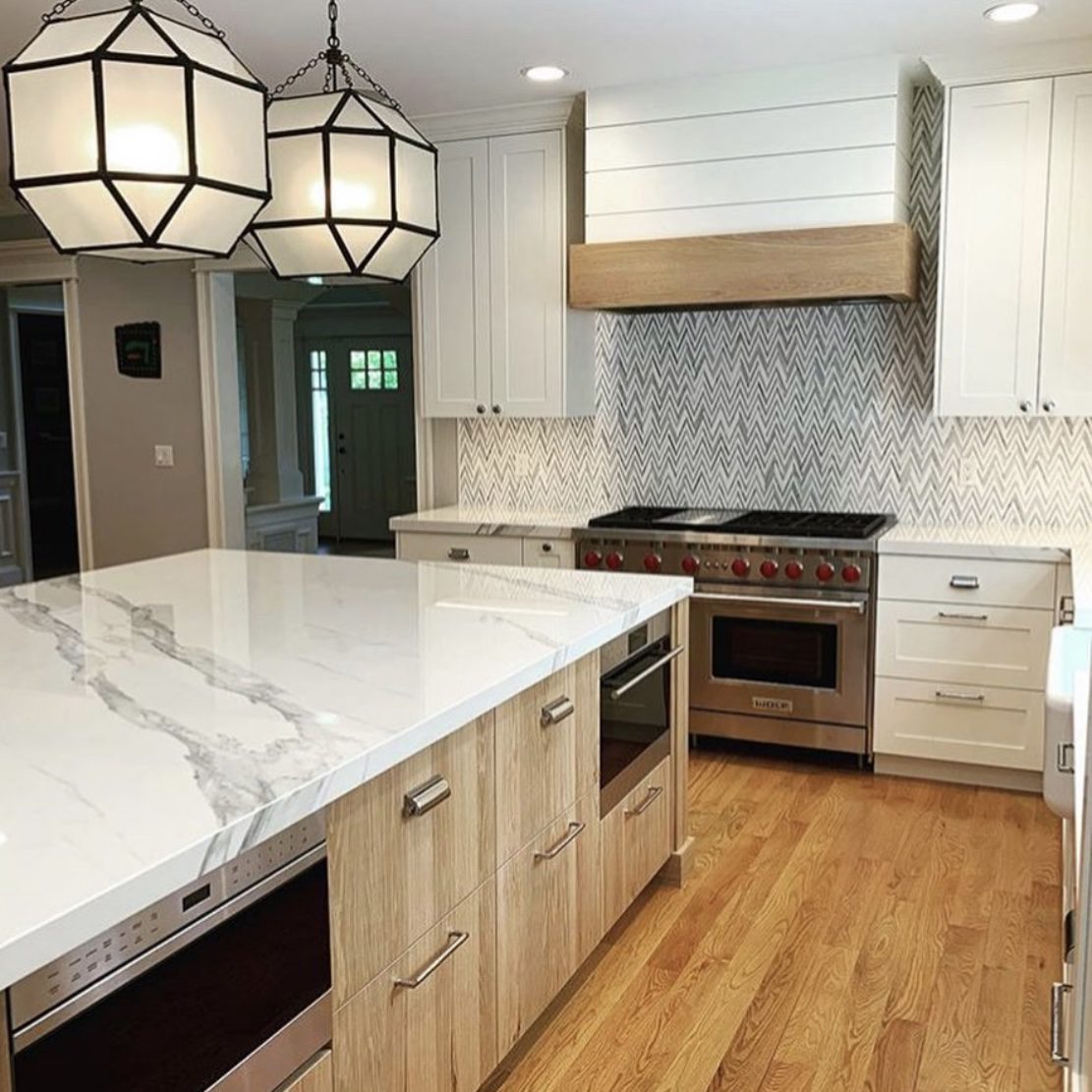
Why Install the Countertop First?
Here’s why most professionals recommend installing the countertop first:
- Perfect Fit: Installing the countertop first allows for exact measurements for the backsplash, ensuring there are no gaps or uneven edges where the two surfaces meet.
- Prevent Damage: Countertop installation can be a heavy-duty process. Installing the backsplash first could risk damaging the tiles when the countertops are placed.
- Better Aesthetics: A properly installed countertop gives your installer a level edge to work against, so the backsplash sits flush and creates a clean, polished look.
By completing the countertop installation first, you give your backsplash contractor the ability to create a snug fit and avoid any awkward gaps.
Do You Install Backsplash Before Countertop?
Some homeowners may be tempted to install the backsplash before the countertop, especially if they’re excited to see the design come to life. However, professionals advise against this for several key reasons:
- Risk of Damage: Countertops are heavy and require precise installation. If the backsplash is already in place, the countertop installation could crack or misalign the tiles.
- Alignment Issues: The countertop provides a solid, level base for the backsplash. Installing the backsplash before the countertop can result in uneven edges, gaps, or misalignment.
- Unnecessary Complications: If your countertops are custom-made or have any irregularities, installing the backsplash first could lead to more complications when trying to fit the countertop.
To ensure a smooth and successful kitchen renovation, install the countertop first and then begin your backsplash project.
Countertop and Backsplash Installation: What’s the Best Order?
Now that we’ve covered the right order of installation, here’s the ideal sequence for installing both to ensure your kitchen renovation proceeds smoothly and efficiently.
1. Countertop Installation First
Start by installing the countertops. Make sure everything is level, secured properly, and fits the kitchen layout. During this step, contractors will account for any uneven walls and adjust for a snug fit.
2. Measure for the Backsplash
Once the countertops are installed, the next step is to measure for the backsplash. Professional installers will take precise measurements, ensuring the tiles align with the countertop edges for a seamless transition.
3. Backsplash Installation
After the countertops are securely in place, it’s time to install the backsplash. Each tile is set flush against the countertop surface. Grouting and sealing follow, completing the look with clean, polished lines. If you’re planning a full kitchen tile installation – including floors and backsplash – this is the stage where everything starts coming together.
What About Special Situations?
In rare cases, a homeowner may need to start the backsplash before the countertop is ready — usually due to scheduling delays with the fabricator. If that happens, work with an experienced installer who knows how to account for the dimensions and leave proper clearance. This isn’t ideal, and it does carry more risk of alignment issues, so only do this when there’s no other option.
How to Choose a Contractor for Countertop and Backsplash Installation
Now that you know the countertop comes first, the next decision is finding the right contractor to handle the backsplash. This is where the quality of your finished kitchen really shows — a skilled installer brings precision, care, and attention to detail to every step.
What to Look for in a Contractor:
- Experience: Look for someone with hands-on experience in backsplash and tile installation – ideally a certified tile installer recognized by the Ceramic Tile Education Foundation.
- Portfolio: Ask to see completed projects so you can judge quality and style firsthand. A contractor’s gallery tells you more than any sales pitch.
- Licensing and Insurance: Always verify that your contractor is licensed and insured to protect both parties during the project.
- Reviews and Testimonials: Check Google reviews and ask for references to confirm reliability and craftsmanship.
A skilled contractor ensures everything goes in the correct order with quality craftsmanship, giving you peace of mind throughout the project.
Final Thoughts: Backsplash or Countertop First?
Installing the countertop before the backsplash ensures a flawless, professional finish. While a backsplash may seem straightforward, its placement is key to your kitchen’s function and appearance. With the countertop in place first, your installer can achieve proper alignment, giving your kitchen a polished, cohesive look.
If you’re unsure about the best approach for your specific project, consult with an experienced backsplash contractor. The right pro can guide you through the process and make sure your kitchen turns out exactly how you envision it.
Additional Tips For Finding The Best Kitchen Backsplash Installers
Getting the installation order right is just one part of a successful kitchen remodel. Choosing the right installer matters just as much. If you’re still evaluating your options, these tips for finding a kitchen backsplash installer can help you ask the right questions.